The perfect Pilates outfit: style, comfort, and top performance
Pilates is a discipline that harmoniously blends strength, flexibility, and focus—and it calls for clothing that ensures maximum comfort during every movement. It's not just about controlled motions and precise posture. The right clothing plays a key role in allowing each exercise to be performed without distractions or discomfort. And beyond function, why not add a touch of style? Let’s see how to combine comfort, aesthetics, and practicality in your Pilates outfit.
The essence of Pilates: freedom and lightness
If you've ever taken a Pilates class, you know how important it is to move freely. Every exercise demands fluidity, precision, and control. That’s why your clothing should be as non-invasive as possible—almost like a second skin. Stretchy, breathable fabrics, a good fit, and attention to detail are essential for giving you full freedom of movement without affecting your focus. A well-chosen Pilates outfit allows you to perform even the most complex moves with ease, helping you stay centered on your breath and balance.
Pilates outfits: focus on fabrics and comfort
Comfort is key—but it goes beyond how the clothes feel. It’s also about how they interact with your body during the workout.
Technical fabrics are essential to ensure breathability and moisture control, keeping your skin dry even in the most intense sessions. Top materials for Pilates wear include stretch cotton, nylon, and performance polyester. Cotton is ideal for low-intensity practice, while nylon and polyester, being lighter and more durable, are perfect for those who prefer garments that move with them without feeling stiff.
Details that make a difference
Beyond materials, the small details can elevate your experience. Flat seams, for example, prevent skin irritation and enhance comfort throughout the workout. And if you do Pilates outdoors or in dim spaces, choosing garments with reflective details can be a practical and safe solution.
The importance of a sports bra: support without restriction
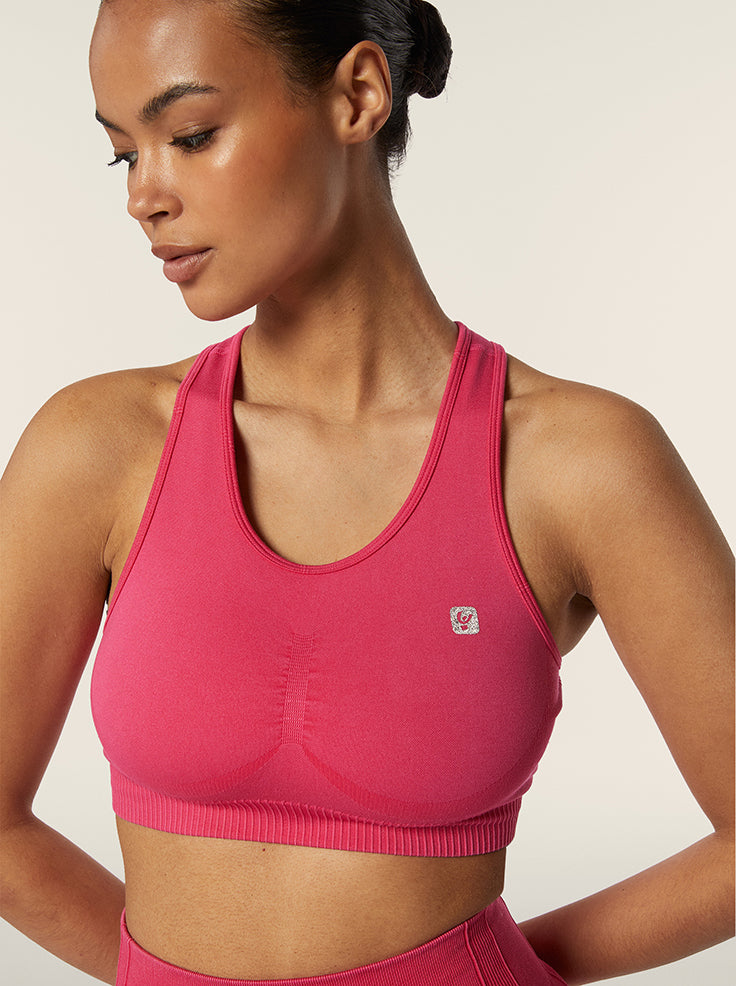
Even if Pilates isn’t a high-impact sport, support still matters. A non-wired sports bra with a snug fit helps keep your chest stable during twists and lateral movements. The key is striking the right balance between support and freedom.
Pilates and footwear: yes or no?
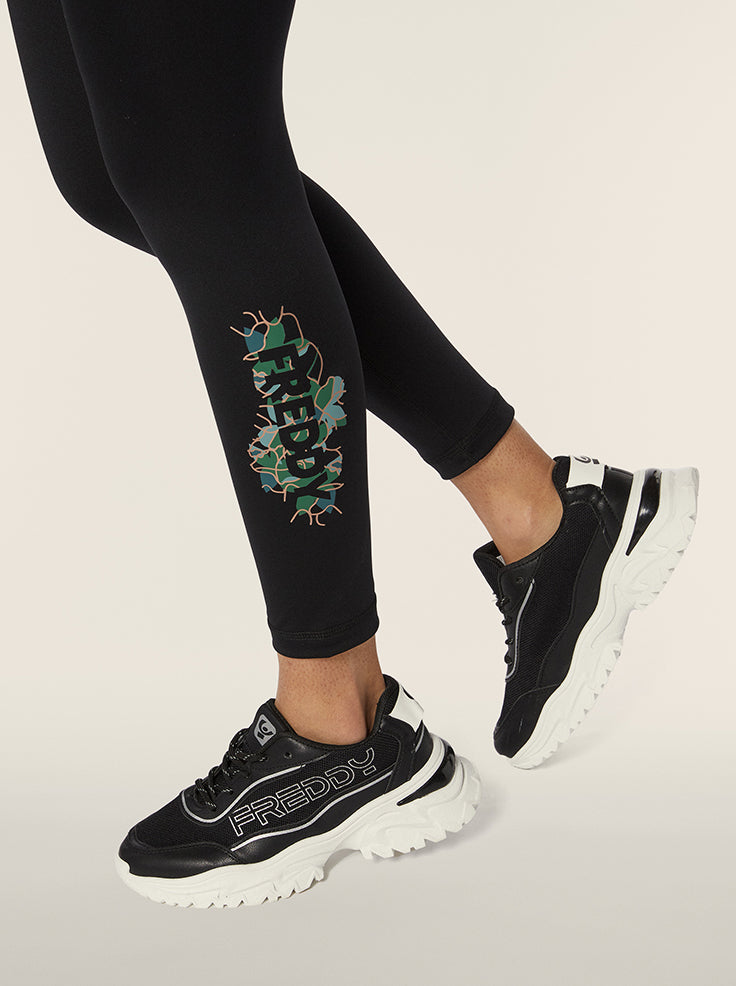
A common question for Pilates beginners is whether or not to wear shoes. In most cases, Pilates is practiced barefoot or with grip socks to improve stability and floor connection. However, for outdoor sessions on uneven surfaces, wearing lightweight, flexible Pilates-specific shoes can be beneficial. These shoes offer protection while maintaining flexibility and ground feel.
Play with style: creative combos for a unique Pilates look
Beyond functionality, Pilates wear lets you express your personality through your look.
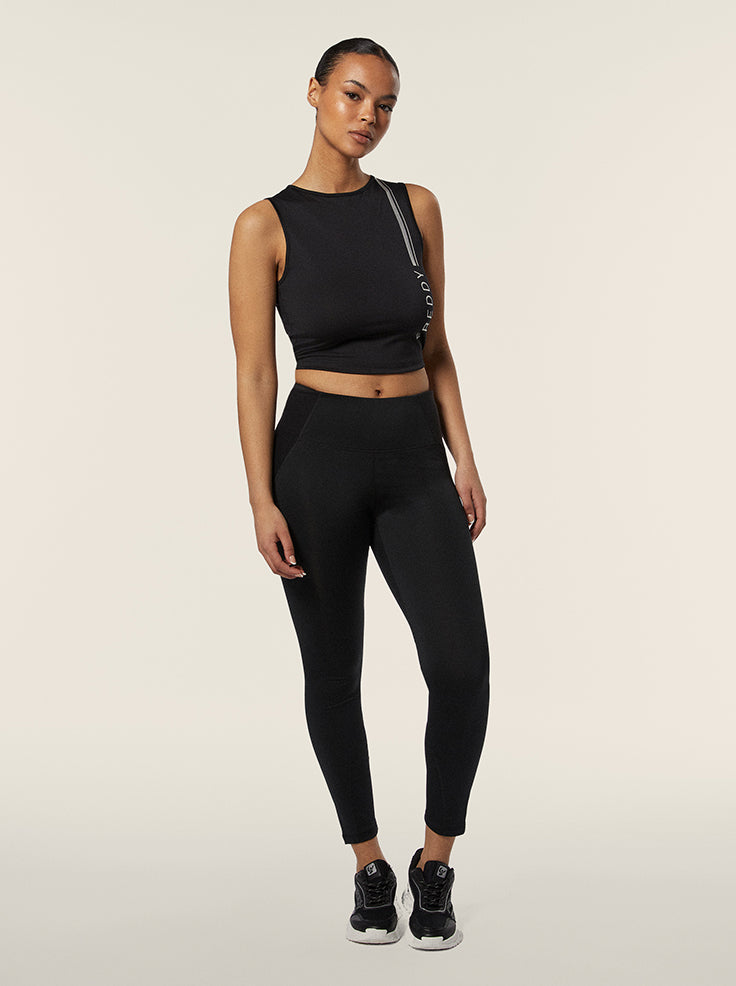
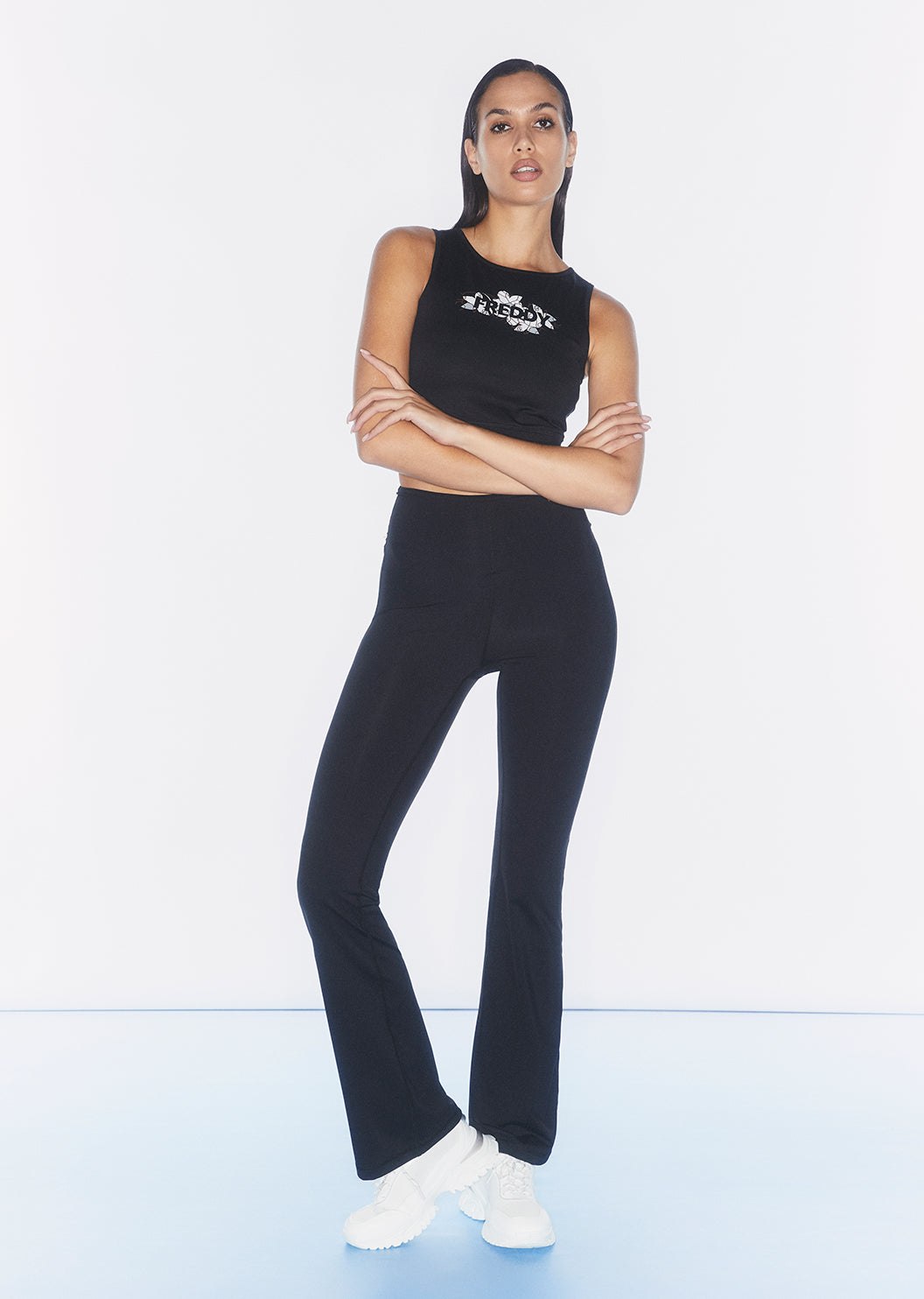
ry pairing fitted leggings with cropped tops or longer tanks for a balanced silhouette.
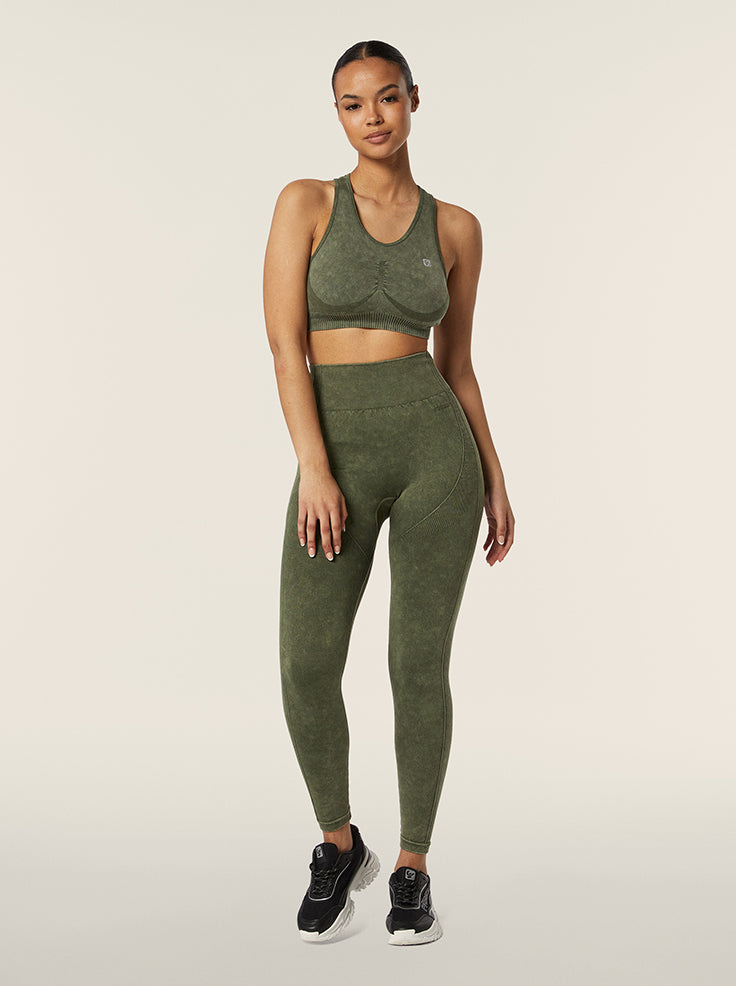
Monochrome sets in neutral tones like grey, black, or navy can be brought to life with colorful accessories or contrast details.
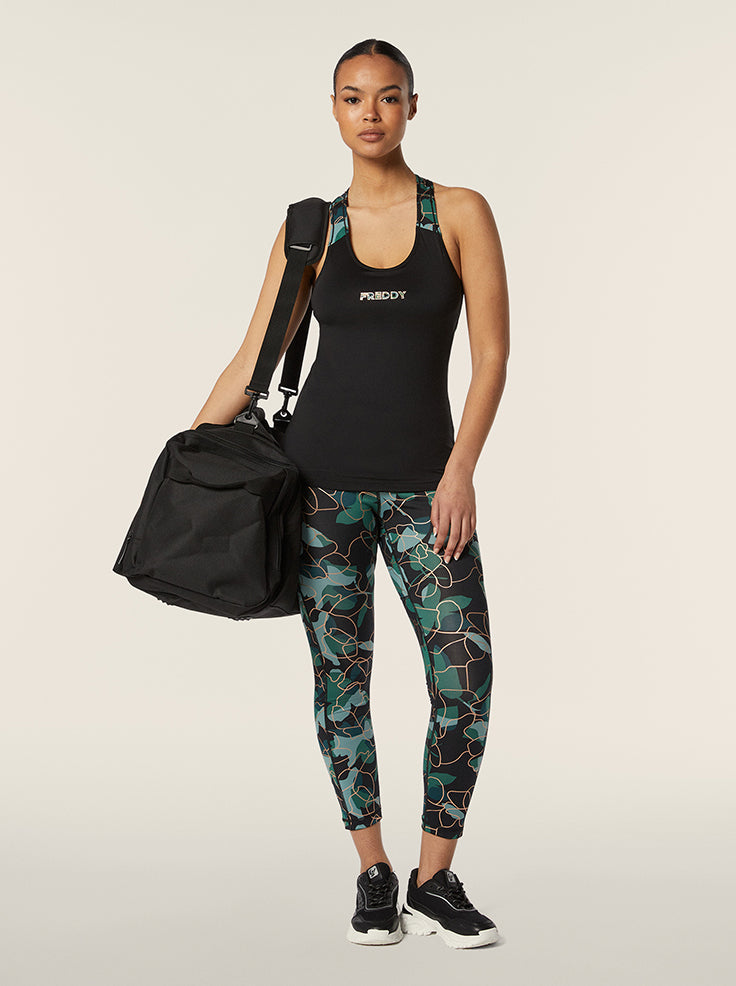
Don’t forget to play with texture: combine shiny lycra with mesh or matte panels for a stylish, original look without compromising on comfort.
Indoor and outdoor Pilates: clothing for every environment
If you mostly practice indoors, you’ll likely prefer lightweight, fitted clothing that keeps you cool and offers maximum freedom. But for outdoor Pilates—in the park or on a terrace—a light sweatshirt or windbreaker might come in handy. These pieces can be worn during warm-ups or cooldowns to prevent getting chilled.
Accessories that matter
Even in Pilates, accessories can make a difference.
One of the most overlooked yet useful items is a sports towel: compact and light, it helps with sweat during the session or serves as support for floor exercises.
A spacious, organized gym bag with compartments for clothing and gear—will also help keep things tidy.
And if you're into outdoor Pilates, don’t forget a thermal water bottle to stay hydrated with fresh water during breaks.
Sustainability matters: eco-friendly Pilates wear
Sustainability is another key topic in Pilates clothing. More and more brands are choosing recycled or low-impact materials. Choosing eco-friendly activewear not only supports conscious shopping, but often means investing in long-lasting, high-quality fabrics. Among the most common sustainable materials are bamboo, organic cotton, and recycled fibers—delivering top performance without harming the planet.
Pilates vs. postural training: similar but different
It’s also worth comparing Pilates outfits to those for postural training. While both focus heavily on posture, Pilates involves more dynamic movements—making stretchier clothing a better fit. For postural work, softer, looser garments may be preferred to accommodate slower, more controlled movement.
Conclusion: your ideal Pilates outfit
Choosing the right Pilates outfit can make a huge difference in the quality of your practice. Not only does it offer comfort and support, but a thoughtfully selected outfit gives you the freedom and confidence to move. Whether your style is minimalist or bold, the key is feeling good in what you wear—without sacrificing functionality. Pilates is all about body awareness, so why not start with the clothing to help you feel your best in every session?